
Get a special discount for new members!
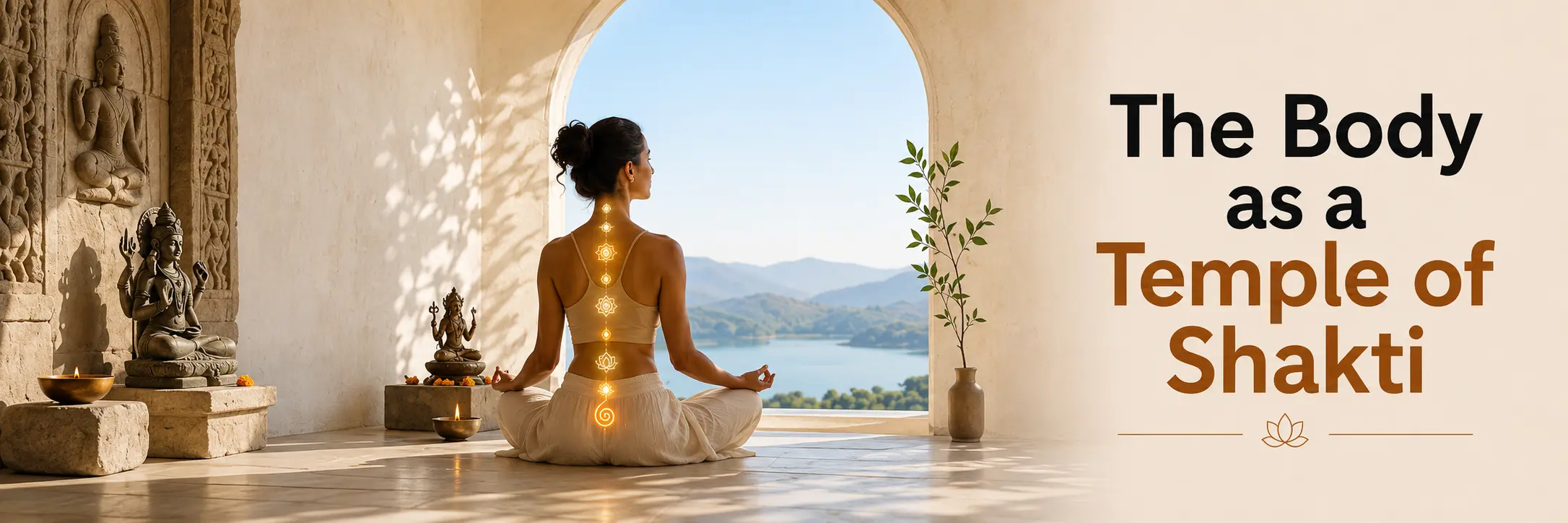
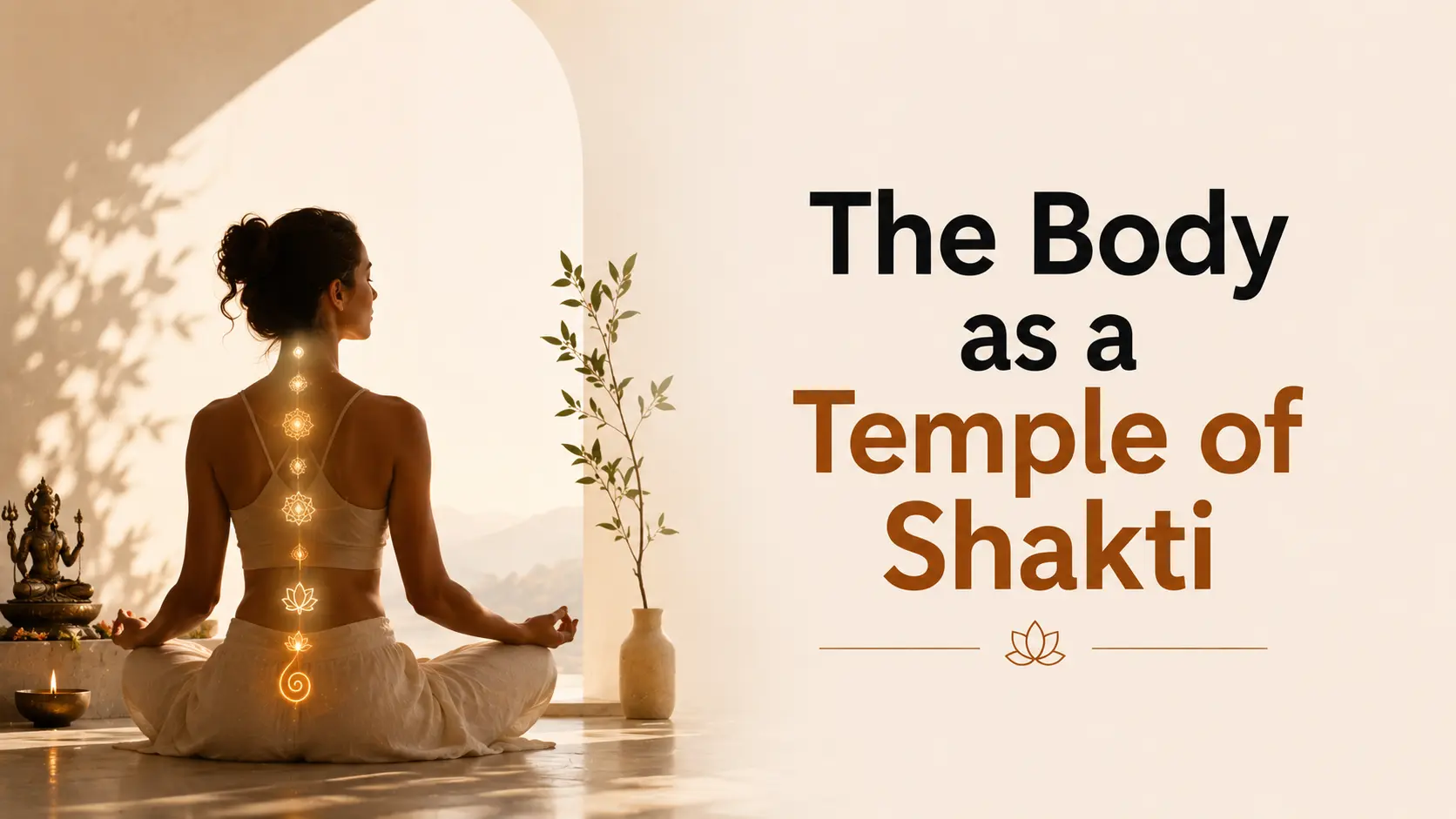
Many spiritual seekers carry a quiet conflict with the body.
They may think the body is less spiritual than the soul. They may believe that meditation means escaping the body, suppressing sensation, or rising above physical life. Sometimes the body is treated as a burden, an obstacle, or something to be controlled before real spirituality can begin.
But Trika Tantra offers a very different view.
In Trika, the body is not rejected.
The body is a field of Shakti.
It is not the final Self, but it is not outside the sacred. It is the place where breath moves, mantra vibrates, Kundalini awakens, emotions are felt, awareness is recognized, and sadhana becomes embodied.
The body is not a prison to be hated.
It is a temple to be awakened.
In Trika Shaivism, everything arises within consciousness. The body, senses, breath, mind, sound, sensation, and world are all expressions of Shiva-Shakti.
This does not mean the body should become an object of egoic obsession. Tantra does not worship the body in a shallow way. It does not say that physical appearance, pleasure, or strength are the highest truth.
Rather, it says that the body can become transparent to awareness.
When unconscious, the body is experienced as limitation.
When awakened, the body becomes a doorway.
The same breath that was once ordinary becomes sacred. The same posture that was once mechanical becomes meditation. The same sensation that was once distracting becomes a point of entry into presence.
The body is not separate from the path.
The body is part of the path.
The Vijñāna Bhairava Tantra gives a powerful contemplation:
A simple rendering is:
— Vijñāna Bhairava Tantra, verse 63
This verse is extremely important for embodiment.
It does not say, “Reject the body.”
It says, “Contemplate the body as consciousness.”
This is the heart of the Tantric view. The body is not to be seen merely as flesh, weight, age, appearance, or biological structure. It can be contemplated as cinmaya — filled with consciousness.
When this becomes living experience, the seeker no longer feels divided between spirituality and embodiment.
The body itself becomes a mandala of awareness.
For most beginners, the breath is the easiest way to enter the body.
The breath is always present. It connects body and mind. When the mind is restless, the breath changes. When the body relaxes, the breath changes. When awareness deepens, the breath becomes subtle.
In Trika practice, we do not need to force the breath in the beginning. We simply become intimate with it.
The breath is not merely air moving in and out. It is life-force moving through the temple of the body.
When awareness rests with the breath, scattered energy begins to gath
The body is full of sensation.
Warmth, pressure, tingling, heaviness, lightness, tightness, pulsing, expansion, contraction — all of these can become doorways.
Ordinarily, we react to sensation. We like some sensations and dislike others. We chase pleasure and resist discomfort.
But in practice, sensation can be held in awareness.
The practitioner learns that the body is constantly speaking. It carries memory, emotion, stress, longing, resistance, and vitality. When held in awareness, the body begins to release unconscious contraction.
Posture is also important.
A steady posture does not mean rigidity. It means the body is aligned enough to support awareness.
When the spine is gently upright, the breath flows more freely. The mind becomes more alert. The heart feels more open. The body begins to participate in sadhana.
In Trika, posture is not only physical. It is symbolic.
Mantra is not only heard by the ears.
It is felt in the body.
When mantra is chanted aloud, vibration moves through the chest, throat, tongue, skull, and subtle body. When mantra is repeated mentally, it still creates a subtle current inside.
The body becomes the instrument through which sacred sound moves.
This is why mantra should not be rushed. Let the sound be felt. Let it descend into the heart. Let it resonate through the body.
Over time, the practitioner begins to sense that mantra is not merely spoken by the mouth.
It is Shakti vibrating through the body-temple.
Many people coming from yoga, healing, or embodiment practices are sensitive to energy. They may feel heat, vibration, movement, expansion, or emotional release in the body.
This is especially important in Kundalini practice. The goal is not merely to feel energy. The goal is to recognize the consciousness in which energy appears.
Shakti must return to Shiva | Movement must reveal stillness.
Now gently contemplate:
Rest there | Do not force anything.
The body is not the ultimate Self, but it is not outside the Self. It is Shakti appearing in form. It is consciousness becoming touch, breath, vibration, and life.
You can begin here. | With this breath. | This sensation. | This posture.
Explore teachings on embodiment, breath, mantra, Kundalini, meditation, and Trika Tantra at Trika.in.